Generator Battery Maintenance and Replacement Guide
A standby generator depends on more than fuel and an engine. It also needs a healthy battery to start when your home loses power. If the battery weakens, the generator may fail at the exact time you need it most.
Regular battery care helps homeowners avoid surprise starting problems. Below, our guide to generator battery maintenance and replacement supports smoother generator performance during storms, grid issues, and emergency outages.
Why Generator Batteries Matter
Your generator battery provides the power necessary to start the system. Once the engine runs, the generator can begin supplying backup power to your home.
A weak or dead battery can prevent the generator from starting, even when the rest of the system works properly. That makes battery condition one of the most important parts of reliable generator care.
What Shortens a Generator Battery’s Life
Heat, cold, age, corrosion, and lack of use can all reduce battery life. A battery may also wear down faster if the generator does not run routine exercise cycles or if connections loosen over time.
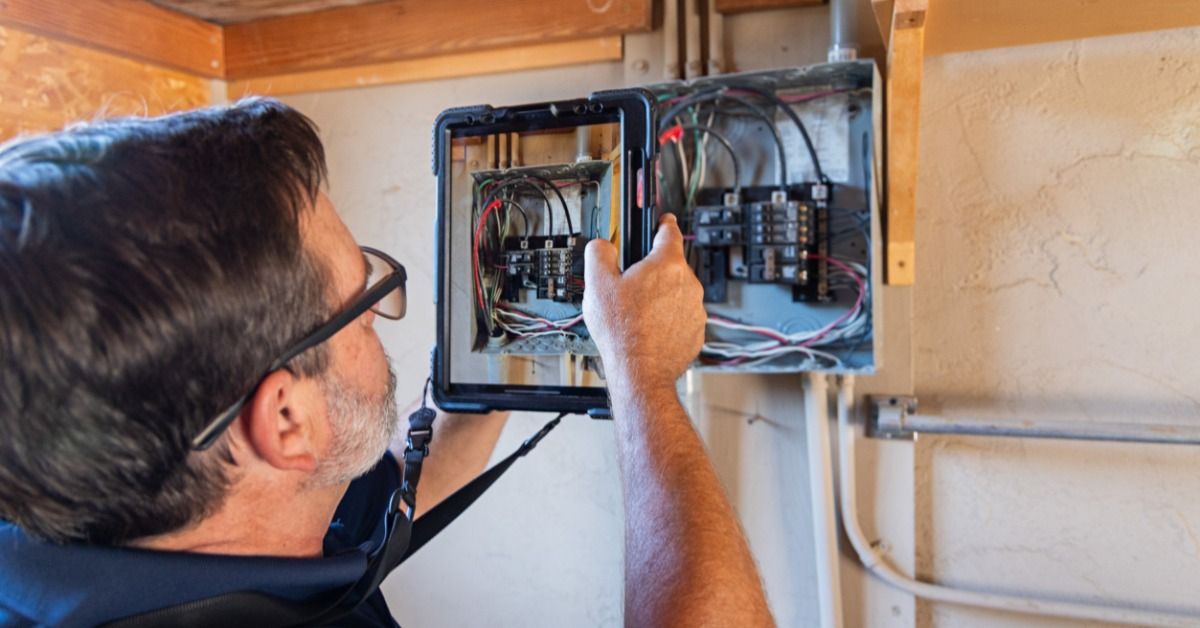
During home generator maintenance services, a technician can inspect the battery, test its charge, clean terminals, and check the charging system. These steps help catch small problems before they affect backup power.
How Long Generator Batteries Usually Last
Many generator batteries last around three to five years, depending on use, weather exposure, and maintenance. Some may fail sooner if they face extreme temperatures or poor charging conditions.
Age alone does not always tell the full story. A battery can look normal from the outside but lack the strength to start the generator under load.
Warning Signs Your Battery Needs Attention
Slow cranking is one of the clearest signs of battery trouble. If the generator hesitates before starting or does not start during a test cycle, the battery may need service.
Corrosion around the terminals can also point to a problem. Homeowners may notice a white, green, or blue buildup near the battery posts, which can interfere with a strong electrical connection.
When Replacement Makes Sense
Battery replacement makes sense when tests show low capacity, when the battery no longer holds a charge, or when it nears the end of its service life. Replacing the battery before it fails can help protect your home from avoidable outage problems.
A technician can also confirm that the issue comes from the battery rather than another part of the generator. Starting problems can also come from wiring, the charger, or other system components.
How Homeowners Can Support Battery Health
Homeowners can help by keeping the area around the generator clear and by paying attention to maintenance reminders or warning lights. Running scheduled generator exercise cycles also helps the system stay ready.
Remember to always handle battery testing and replacement carefully. Generator systems involve electrical components, and professional service helps protect both the equipment and the home.
Keep Your Generator Ready Before the Next Outage
Now that you’ve read our guide to generator battery maintenance and replacement, you understand how important your generator’s battery is and how to take proper care of it. With routine testing, timely replacement, and professional maintenance, you can ensure your generator won’t fail during the next outage.
NW Generators helps homeowners keep standby generators ready for real-world power interruptions. Schedule generator maintenance today to make sure your system is prepared when your home needs it.
You might also like