5 Signs Your Home Generator Needs a Tune-Up
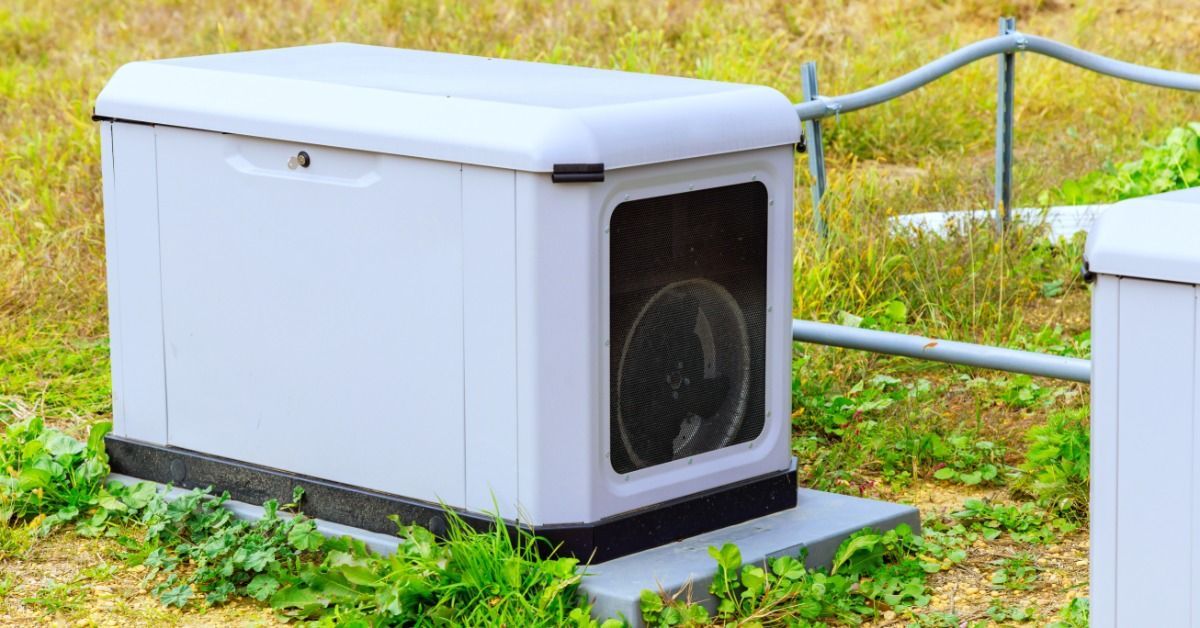
A home generator provides valuable backup power when the electrical grid goes down. Like any engine-driven system, though, it needs routine attention to keep starting smoothly and running reliably. Below, we’ll outline some of the most common signs that your home generator needs a tune-up.
1. The Generator Struggles To Start
A generator should start without excessive cranking, hesitation, or repeated attempts. If yours takes longer than usual to turn over, the battery, spark plugs, fuel system, or another component may need attention.
Starting trouble deserves prompt inspection because the problem can worsen over time. A tune-up gives a technician an opportunity to identify the source and restore dependable operation.
Pay Attention During Exercise Cycles
Standby generators typically run scheduled exercise cycles to confirm that the system can operate when necessary. Listen for unusual delays or rough startup behavior during these tests rather than waiting for a power outage to reveal the problem.
2. The Engine Runs Roughly
A healthy generator should settle into relatively consistent operation after startup. Sputtering, surging, or unexpected shutdowns can indicate restricted airflow, ignition trouble, or another maintenance issue.
If these symptoms continue, scheduling a home generator repair can help prevent a minor performance problem from turning into a failure during an outage.
Changes in Sound Can Be a Warning
You know what your generator normally sounds like. New rattling, knocking, or uneven engine noise should prompt a closer look, especially when the sound appears suddenly or becomes more noticeable with each exercise cycle.
3. You Notice Leaks or Unusual Odors
Another sign that your home generator needs a tune-up is if you notice any leaks around the machine. Leaks deserve immediate attention because fluids support proper engine operation. Check the area around the unit periodically for visible moisture, staining, or other changes.
Unfamiliar odors can also indicate a problem with fuel, oil, or electrical components. A qualified technician can determine the source and recommend the appropriate service.
4. Warning Lights or Error Codes Appear
Modern standby generators use control panels to communicate system problems. A warning light or error code may indicate anything from a maintenance reminder to a component malfunction.
Do not assume the generator will perform normally simply because it still starts. Addressing alerts promptly can help keep the system ready for an unexpected outage.
5. It’s Been a While Since Your Last Tune-Up
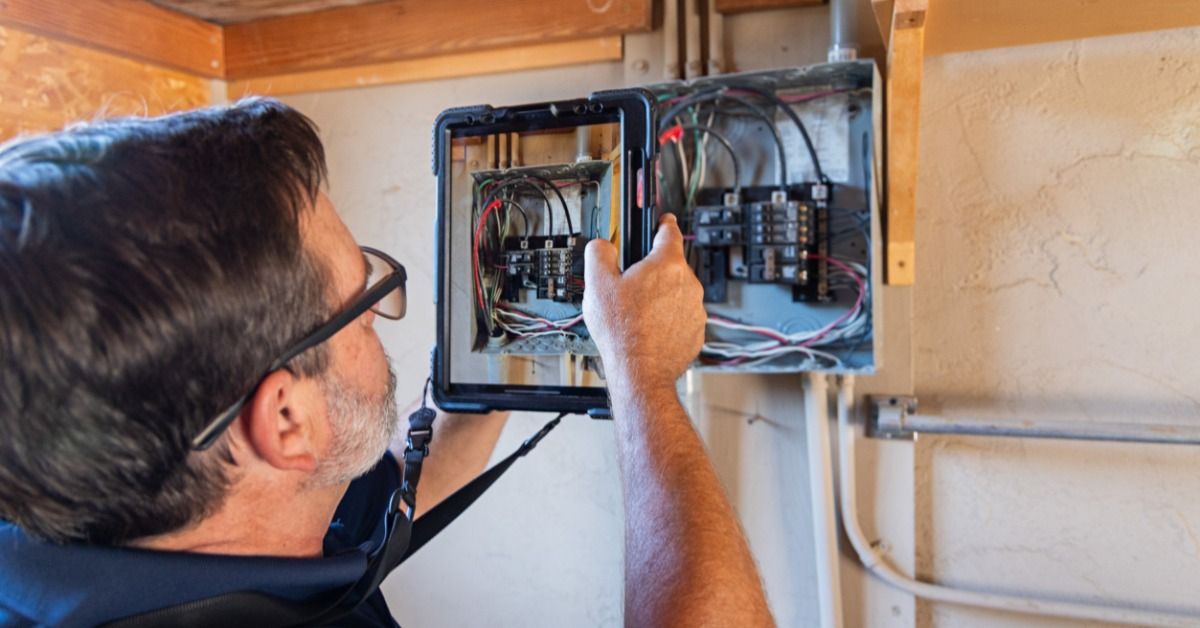
A generator does not need to show obvious symptoms before it receives maintenance. Regular service gives technicians a chance to inspect items such as filters, fluids, batteries, wiring connections, and overall system performance.
Components can wear down gradually without creating an immediate failure. Scheduled maintenance can uncover developing issues before they interfere with startup or operation.
Keep Your Generator Ready for the Next Outage
A difficult start, rough operation, unusual odors, warning messages, or overdue maintenance can all indicate that your generator needs a tune-up. Paying attention to these signs gives you time to address problems before your household must depend on backup power.
If your generator is showing signs that it needs attention, contact NW Generators to schedule maintenance or troubleshooting service and prepare your system for the next outage.
You might also like