Tips on Sizing a Generator for a Portland Bungalow
Portland bungalows may be modest in size, but that does not necessarily mean they have modest electrical needs. Heating equipment, kitchen appliances, sump pumps, and newer electronics can all affect how much backup power a home requires. Keep reading for tips on sizing a generator for your Portland bungalow.
Start With the Electrical Loads That Matter Most
Generator sizing should begin with the appliances and systems you consider essential. A homeowner who only wants to power the refrigerator, lights, and a few outlets will have different requirements from someone who wants nearly every circuit available.
Some appliances also require more power when they first start than they use while running. Motors in equipment such as refrigerators, pumps, and HVAC systems can create these temporary spikes. A generator must have enough capacity to handle those demands without becoming overloaded.
Consider How You Want the Home to Function
When comparing whole home generators (Portland, OR), homeowners should think beyond the square footage of the bungalow. Two homes similar in size can have very different electrical demands depending on their heating systems, appliances, and electrical upgrades.
Decide Between Essential Loads and Broader Coverage
You may decide that only certain circuits need backup power. This approach can reduce the generator capacity your bungalow requires while keeping the home comfortable and functional.
Other homeowners prefer broader coverage that allows daily routines to continue with fewer restrictions. In that case, the generator may need to support larger appliances and more circuits at the same time.
Account for Your Bungalow’s Existing Electrical System
Another tip for sizing a generator for a Portland Bungalow is to account for the existing electrical system. Portland’s older housing stock includes many bungalows with modern updates. Previous owners may have replaced panels, added circuits, installed electric appliances, or remodeled parts of the home.
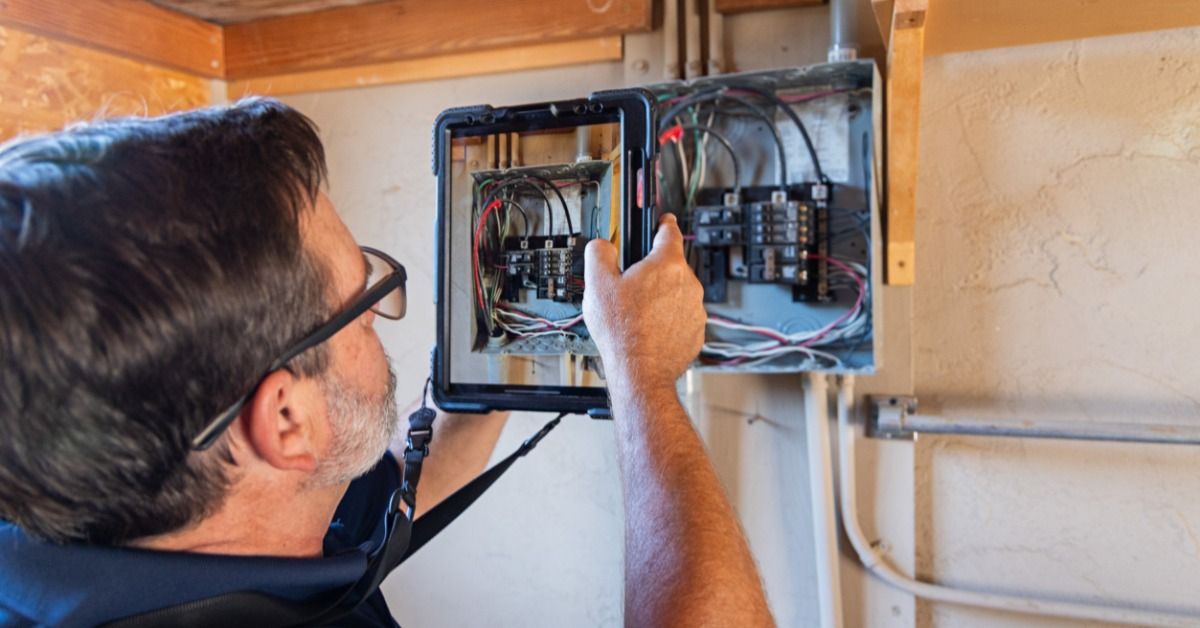
A professional can review the electrical panel and identify the loads a standby generator would support. This assessment also helps uncover installation considerations that may not be obvious from the home’s size alone.
Think About Future Electrical Needs
A generator is a long-term investment, so consider changes you may make to the home in the coming years. A planned heat pump, electric water heater, or major kitchen renovation could increase demand. Discuss realistic future upgrades before settling on a size so the system fits both your current needs and reasonable plans for the home.
Avoid Sizing a Generator by Square Footage Alone
Square footage can provide context, but it cannot tell you how much electricity a home uses. Generator selection requires a closer look at connected equipment and the circuits you expect to power.
Oversizing can add unnecessary cost, while undersizing may leave you unable to run the systems you expected during an outage. A load assessment provides a more reliable basis for selecting appropriate equipment.
Choose the Right Generator for Your Portland Bungalow
The right generator should match your home’s electrical demands and the way you want to live during a power outage. Reviewing essential loads, existing electrical equipment, and future upgrades can help you make an informed choice.
NW Generators specializes in residential generator installation and maintenance for homeowners in the Portland area. Contact NW Generators to discuss your bungalow, evaluate its backup power needs, and find a generator setup that fits your home.
You might also like