How Weatherproof Is Your Standby Generator?
A standby generator sits outside year-round, so it must handle rain, wind, snow, heat, and freezing temperatures. Do you know how weatherproof your standby generator is?
Manufacturers design these systems for outdoor use, but weather resistance does not mean the equipment can withstand every condition without care. Understanding how weather affects your generator can help you protect the system, reduce wear, and keep it ready for the next outage.
Standby Generators Can Withstand Outdoor Conditions
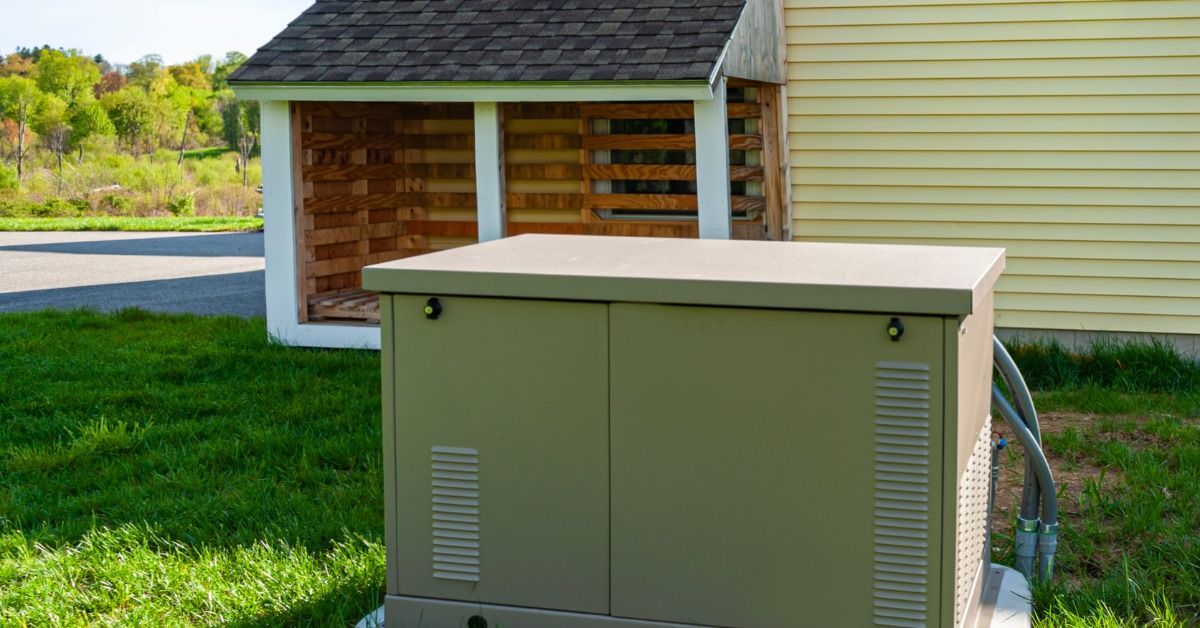
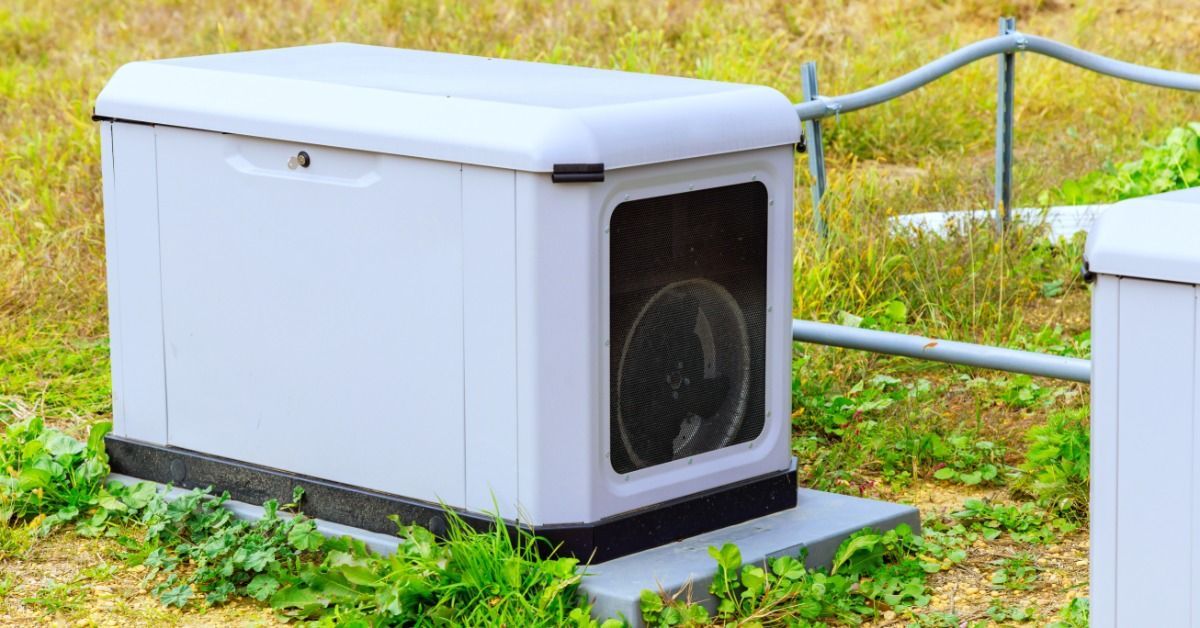
Standby generators use durable metal or composite enclosures to protect internal components from moisture, debris, and temperature changes. These enclosures include vents that allow heat to escape while helping block direct exposure to rain and snow.
The unit’s placement also supports weather protection. Installers position the generator on a stable pad and follow clearance requirements that promote proper airflow, safe exhaust movement, and access for maintenance.
Heavy Rain and Flooding Create Different Risks
Normal rainfall should not harm a properly installed standby generator. However, standing water and flooding can reach electrical parts, damage fuel components, and create serious safety hazards.
Homeowners should keep drainage paths clear around the unit and check for pooling water after major storms. Never operate or approach a generator that sits in floodwater. Contact a qualified technician to inspect the system before using it again.
Snow and Ice Can Restrict Airflow
Snow may collect around the generator and block the intake or exhaust openings. Restricted airflow can cause overheating, poor performance, or an automatic shutdown.
Clear snow away from the enclosure after each storm, but avoid striking the unit with a shovel or snowblower. Remove ice carefully, and maintain open space around every vent.
Heat and Sunlight Can Affect Performance
Standby generators can operate during hot weather, but high temperatures stress the engine, battery, and cooling system. Direct sunlight may also heat the enclosure and surrounding area.
Trim landscaping so air can move freely around the unit. Do not build a homemade cover or enclosure around the generator, since it may trap heat, block exhaust, and interfere with safe operation.
Wind and Debris Can Cause Damage
Strong winds can carry branches, leaves, dirt, and other debris toward the generator. These materials may clog vents, damage the enclosure, or collect near the exhaust area. Inspect the generator after severe weather and remove loose debris from the surrounding space.
Routine Maintenance Supports Weather Protection
No matter how weatherproof your standby generator is, it’s not invulnerable. Loose seals, corrosion, dirty vents, low fluid levels, and aging batteries can make the system more vulnerable during harsh conditions.
Home generator services from a professional technician can include an enclosure inspection, a battery test, an electrical connection check, fluid change, and more. Regular maintenance also helps catch minor concerns before a storm or outage places the system under heavy demand.
Conclusion
A standby generator can handle normal outdoor weather when professionals install and maintain it correctly. Rain, snow, heat, wind, and debris still create risks, especially when they block airflow, cause flooding, or damage key components.
Keep the area around your generator clean, watch for changes after severe weather, and schedule routine maintenance with NW Generators. Contact our team today to protect your standby generator, so it’s ready for the next power outage.
You might also like