Whole-House Generator Installation Timeline Guide
Power outages disrupt daily life, especially in regions that face storms, grid strain, or wildfire risks. That’s why many homeowners invest in whole-home power generators. They keep the lights on when the grid fails so you can stay safe and maintain normalcy.
It’s important to research the installation process before committing so you’re prepared for the timeline. This whole-house generator installation timeline guide will help you set realistic expectations and reduce surprises during the process.
Initial Consultation and Home Assessment
The process starts with an in-home consultation. During this visit, a professional will evaluate electrical capacity, fuel availability, and placement options. The contractor will also review local codes and utility requirements to avoid delays later. This step usually takes one to two hours, but it shapes the entire schedule because accurate assessments prevent redesigns.
Homeowners also choose generator size during this phase. Larger homes or high electrical loads require more powerful units, which can affect delivery times. Clear decisions here keep the project moving forward.
Permits, Utility Coordination, and Ordering Equipment
After the assessment, the contractor pulls permits and coordinates with the local utility company. Permit approval timelines vary by municipality, but most fall within one to three weeks. Utility coordination matters because gas line upgrades or meter work can add extra steps.
Once permits move forward, the contractor orders the generator and transfer switch. Equipment availability affects timing, especially during peak storm seasons. Reputable generator installation services in Portland, OR, often plan inventory carefully to minimize delays for homeowners.
Site Preparation and Pre-Installation Work
Crews must prepare the site before installation day. This work includes pouring a concrete pad, trenching for electrical and gas lines, and ensuring proper clearances. Site prep typically takes one to two days, depending on soil conditions and property layout. Good preparation speeds up the next phase. Crews who handle groundwork efficiently reduce the risk of failed inspections or rescheduled installs.
Generator Installation and Electrical Integration
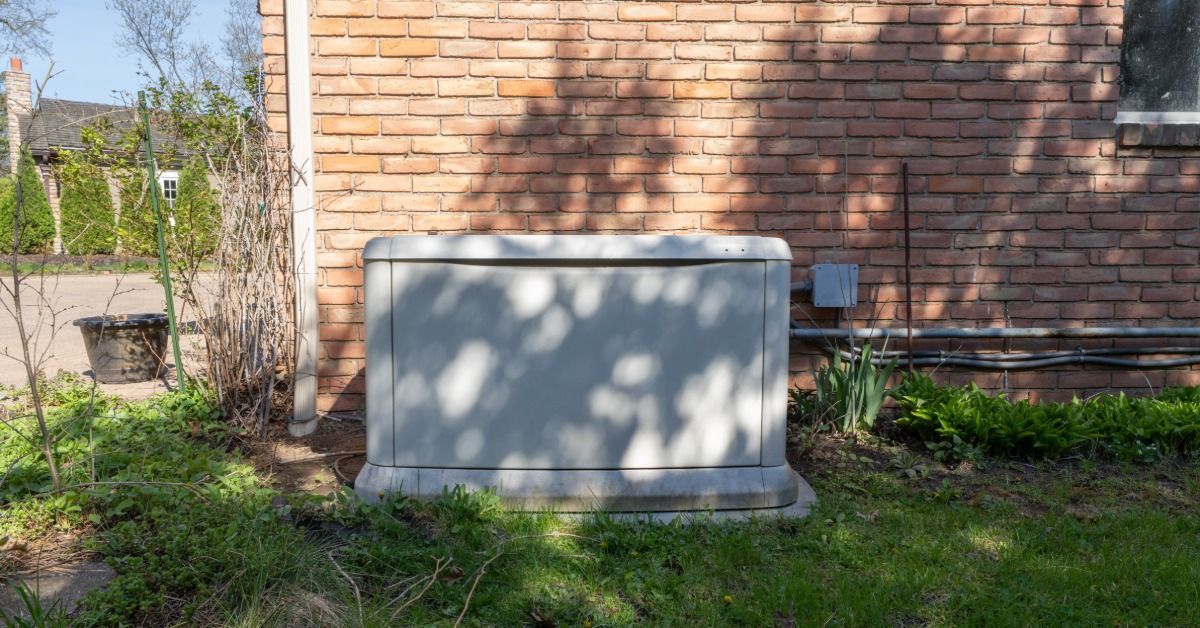
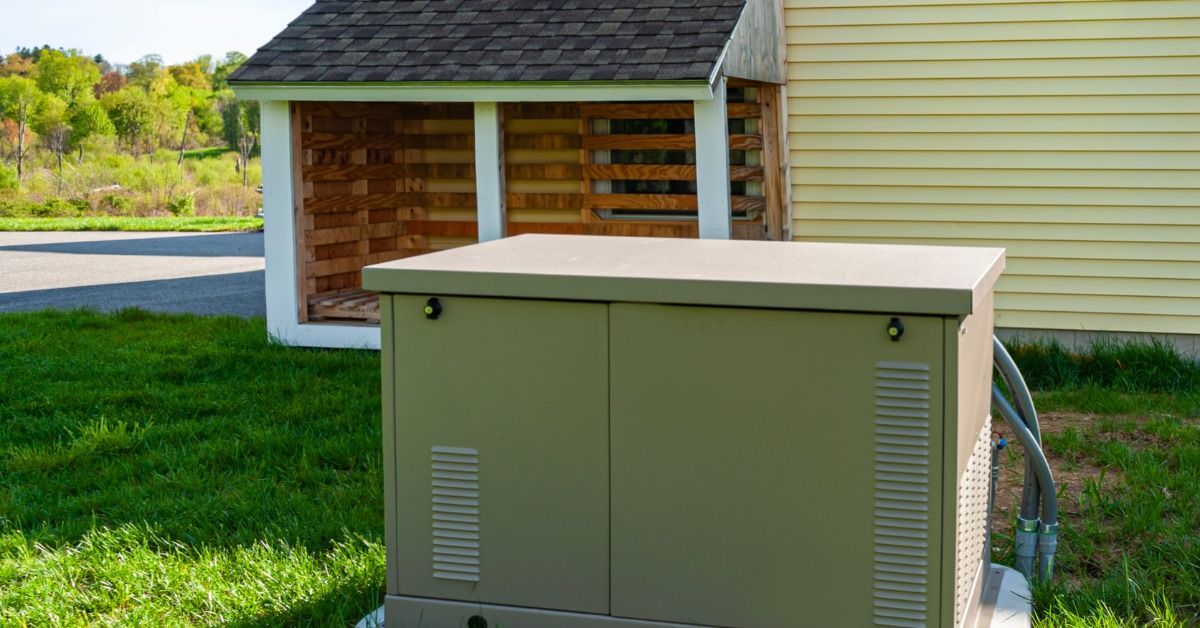
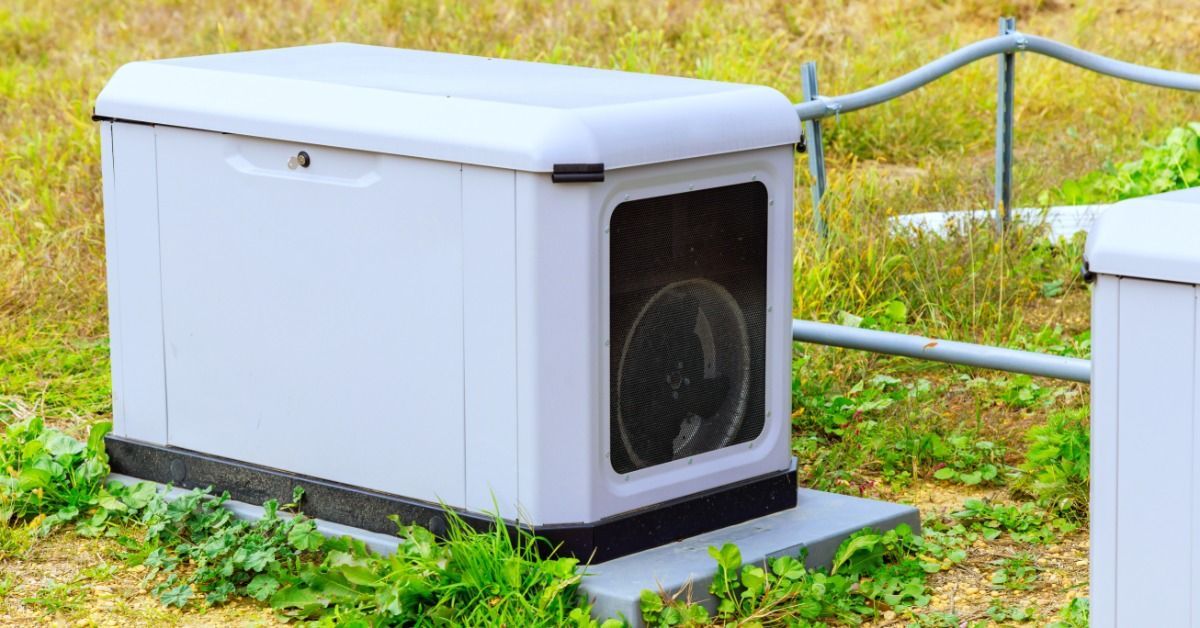
Installation usually takes one full day. Technicians set the generator, connect fuel lines, wire the transfer switch, and integrate the system with the main electrical panel. Electricians test connections as they work to ensure safe operation.
Inspectors must verify code compliance after installation. Once approval clears, the utility authorizes final activation. At this point, the system becomes operational and ready for outages.
Final Testing, Training, and Ongoing Maintenance Planning
The final step focuses on testing and homeowner education. Technicians will simulate a power outage, confirm automatic startup, and review basic operation. Homeowners also learn maintenance schedules, which protect long-term performance.
A reliable whole-house generator installation timeline often spans three to six weeks from consultation to activation. That range accounts for permits, inspections, and equipment logistics. A reasonable timeline reduces stress and ensures dependable backup power. Contact NW Generators today to discuss your home’s needs and request a consultation so you can secure uninterrupted power for your property.
You might also like