Critical Steps for Backup Generator Pad Preparation
When a storm knocks out power, a backup generator can keep your home running, but only if the generator is built on a solid foundation. Many homeowners overlook a critical factor when choosing a generator: the pad beneath it. An improperly prepared base can cause vibration damage, premature wear, and even safety hazards.
Proper backup generator pad preparation requires careful site selection, precise grading, effective drainage planning, and attention to local codes. Each decision you make during preparation affects how well your generator performs when you need it most. Follow these critical steps for backup generator pad preparation to avoid repairs and ensure your system operates reliably.
Choose the Right Location
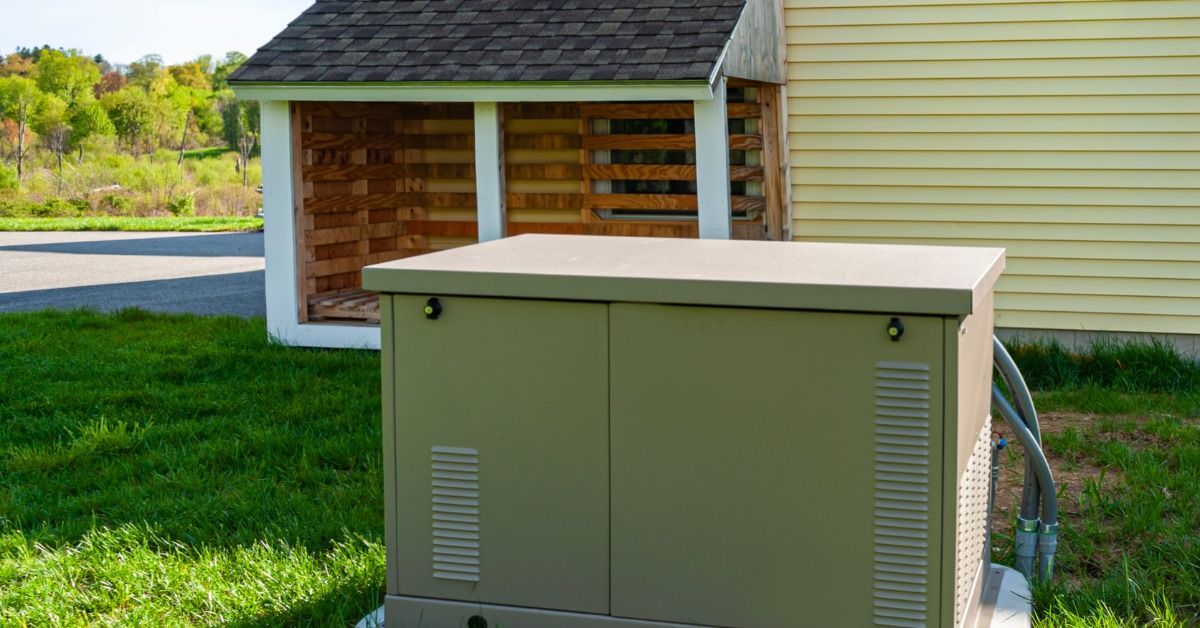
Start by selecting a location that satisfies safety codes and practical requirements. Position the generator close enough to your electrical panel for efficient connection but far enough from doors, windows, and vents to prevent exhaust exposure.
Consider four key factors when choosing placement:
- Distance from the home and utilities
- Proper drainage and ground slope
- Accessibility for maintenance and repairs
- Local code and manufacturer clearance requirements
The right location simplifies installation and supports reliable operation for years to come.
Level and Clear the Ground
Clear the area before building the pad. Remove grass, roots, rocks, and debris to create a clean work surface. Uneven ground causes shifting that can damage internal generator components over time.
Level the soil carefully using a shovel and tamper. Compacting creates a firm base that resists settling after installation. If the ground feels soft or unstable, add fill material to strengthen it before proceeding.
Build a Stable Base
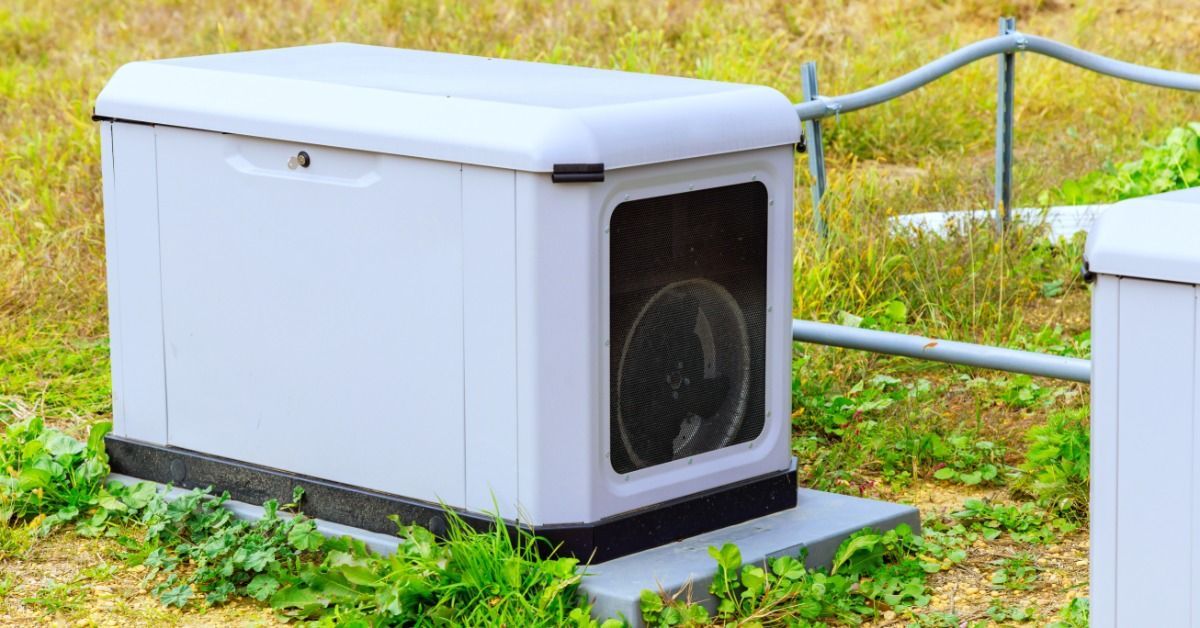
A strong base keeps the generator level and secure. Most installations use either a concrete pad or a premanufactured composite pad. Concrete offers superior durability, while composite pads allow faster installation.
Follow these four steps when building the base:
- Measure dimensions to match generator specifications
- Add a gravel layer for drainage and stability
- Pour or position the pad evenly across the surface
- Confirm the pad sits level in all directions
Solid base construction prevents vibration issues and extends generator lifespan.
Account for Drainage and Weather
Water management affects pad longevity. Poor drainage lets water pool under or around the generator, which can cause erosion or corrosion. To prevent this, grade the surrounding soil so water flows away from the pad. Adding gravel around the perimeter improves drainage and reduces mud buildup. These adjustments protect the pad and the generator through all weather conditions.
Prepare for Professional Installation
A completed pad enables contractors to position the generator quickly and connect it without site-related delays. Working with experienced Generac generator installers ensures every component meets code and operates safely. Professionals will be sure to follow the right steps to ensure proper backup generator pad preparation.
When you partner with NW Generators, we handle every detail with precision and care, including pad preparation. Contact us today to schedule your installation, and give your backup power system the solid foundation it deserves.
You might also like